
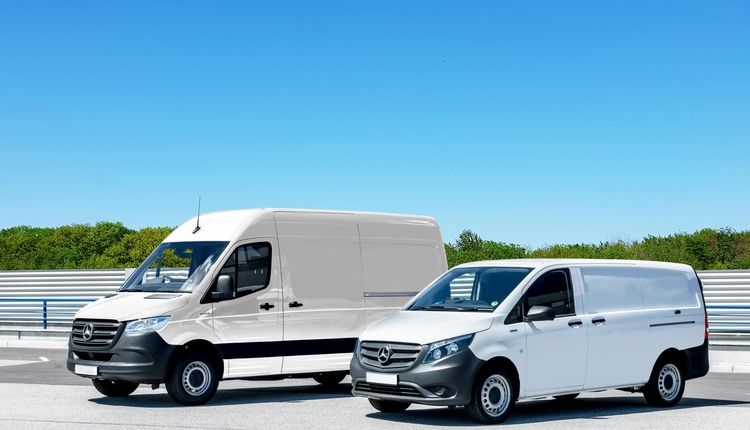
For many small and mid-size businesses, vehicles are not optional, they are essential tools. Whether you operate a service company, delivery business, construction firm, or sales organization, the decision to lease or buy vehicles can significantly impact your cash flow, flexibility, and long-term financial strategy.
There is no one-size-fits-all answer. The right choice depends on how your business uses its vehicles and how you prefer to manage expenses.
The Case for Leasing
Leasing can be attractive for businesses that want lower upfront costs and predictable monthly payments. Since you are not purchasing the vehicle outright, you typically avoid a large down payment. This can preserve working capital for other needs such as hiring, marketing, or equipment purchases.
Leased vehicles are often newer and may remain under warranty for most or all of the lease term. That can reduce maintenance surprises and repair costs. Leasing also allows you to upgrade to newer models every few years, which may improve fuel efficiency, safety features, and brand image.
However, leases often come with mileage limits and wear-and-tear restrictions. If your vehicles are heavily used or operate in demanding environments, those limits can lead to additional charges.
The Case for Buying
Buying a vehicle requires more upfront investment, but it provides long-term ownership and control. Once the vehicle is paid off, you eliminate monthly payments and can continue using it for years. This can lower total costs over time, especially if the vehicle remains reliable.
Ownership also means no mileage restrictions and more flexibility to modify the vehicle to suit your business needs. For companies that log significant miles or operate specialized vehicles, buying often makes more financial sense.
On the other hand, purchased vehicles will eventually require more maintenance as they age. You also assume the risk of depreciation, and resale value can fluctuate based on market conditions.
Think Beyond the Payment
When comparing leasing and buying, look beyond the monthly cost. Consider maintenance expectations, tax implications, cash flow needs, and how frequently you plan to refresh your fleet. A business that prioritizes predictable expenses and modern branding may lean toward leasing. A company focused on long-term cost efficiency may prefer ownership.
It is also important to consider how vehicles are used. Are employees driving them? Are they transporting tools or inventory? Do they cross state lines? These operational details can influence not only your financial decision, but also your insurance requirements.
Before finalizing any vehicle decision, it is wise to review your commercial auto insurance. Whether you lease or buy, your policy should reflect how the vehicles are titled, who drives them, and how they are used. Contact us today to review your commercial auto insurance and make sure your coverage aligns with your business operations.